Kai Krause · 20 September 2026
How Educator Networks Are Adapting Innovation Curricula to Reach Isolated Learners Across Eastern Europe
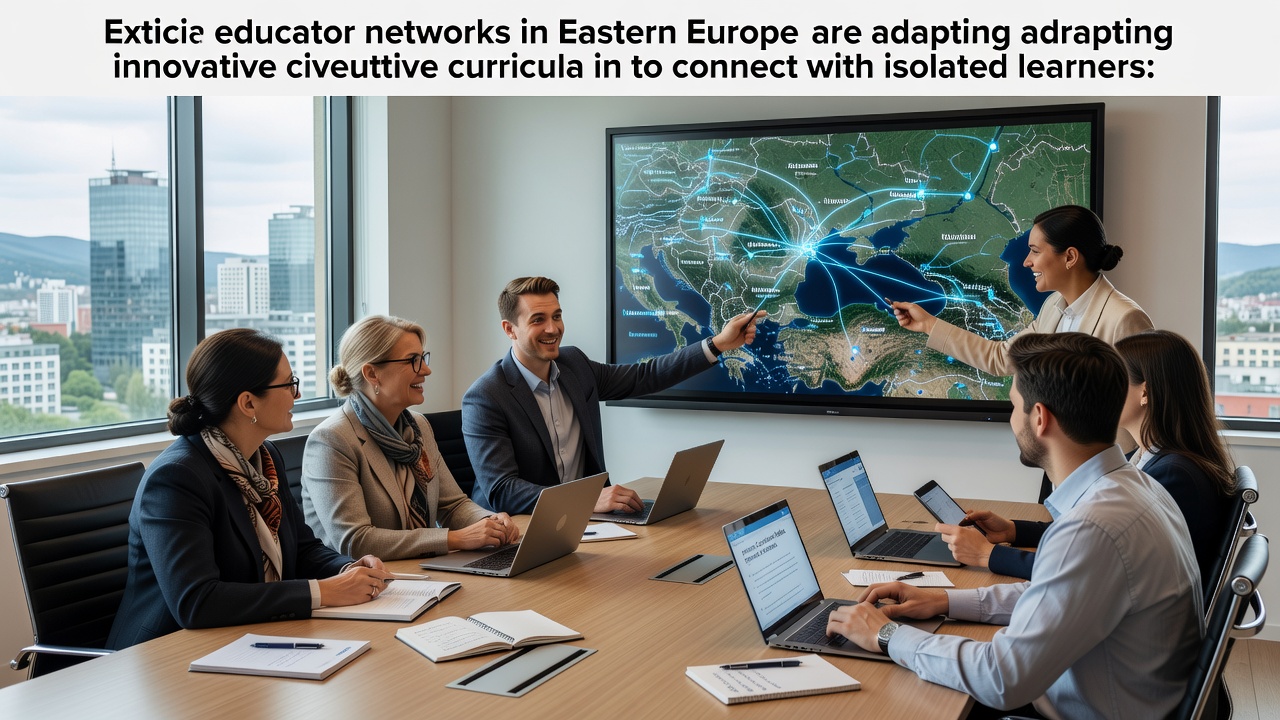
Networks of educators across Eastern Europe continue to reshape innovation curricula so students in remote and underserved regions gain access to hands-on learning in technology, design thinking, and entrepreneurship. These efforts focus on areas with limited infrastructure in countries such as Romania, Bulgaria, and parts of Ukraine, where traditional classroom models often fall short.
Programs now incorporate low-bandwidth platforms and offline-first applications that function on basic mobile devices, while content gets translated into local languages and tailored to regional economic needs like agriculture technology and renewable energy systems. Data from the European Commission shows enrollment in such adapted courses rose by 34 percent between 2023 and 2025 in rural districts of southeastern Europe.
Shifting Delivery Models for Greater Reach
Educator networks partner with regional universities and local governments to train teachers in hybrid facilitation methods that combine short in-person workshops with ongoing virtual mentoring. This approach allows instructors in isolated villages to guide students through project-based modules without requiring constant high-speed internet. Observers note that mobile learning kits distributed through these networks include preloaded simulations and case studies drawn from nearby industries, which helps learners connect abstract concepts to practical challenges in their own communities.
September 2026 marks the rollout of an expanded cross-border exchange initiative coordinated by several Eastern European ministries of education, which will connect 1,200 additional rural schools to shared digital repositories of innovation projects. The initiative builds on earlier pilots that demonstrated measurable gains in student problem-solving scores, according to internal evaluations shared by participating institutions.
Integrating Local Contexts into Curriculum Design
Curriculum developers work directly with community leaders to embed examples from local economies into innovation modules, replacing generic case studies with scenarios involving small-scale farming cooperatives or village-level energy cooperatives. This localization strategy emerged after earlier standardized programs showed lower completion rates in areas far from major cities. Researchers at the OECD tracked similar adaptations across multiple member states and found that context-specific content correlated with higher retention among first-generation learners.
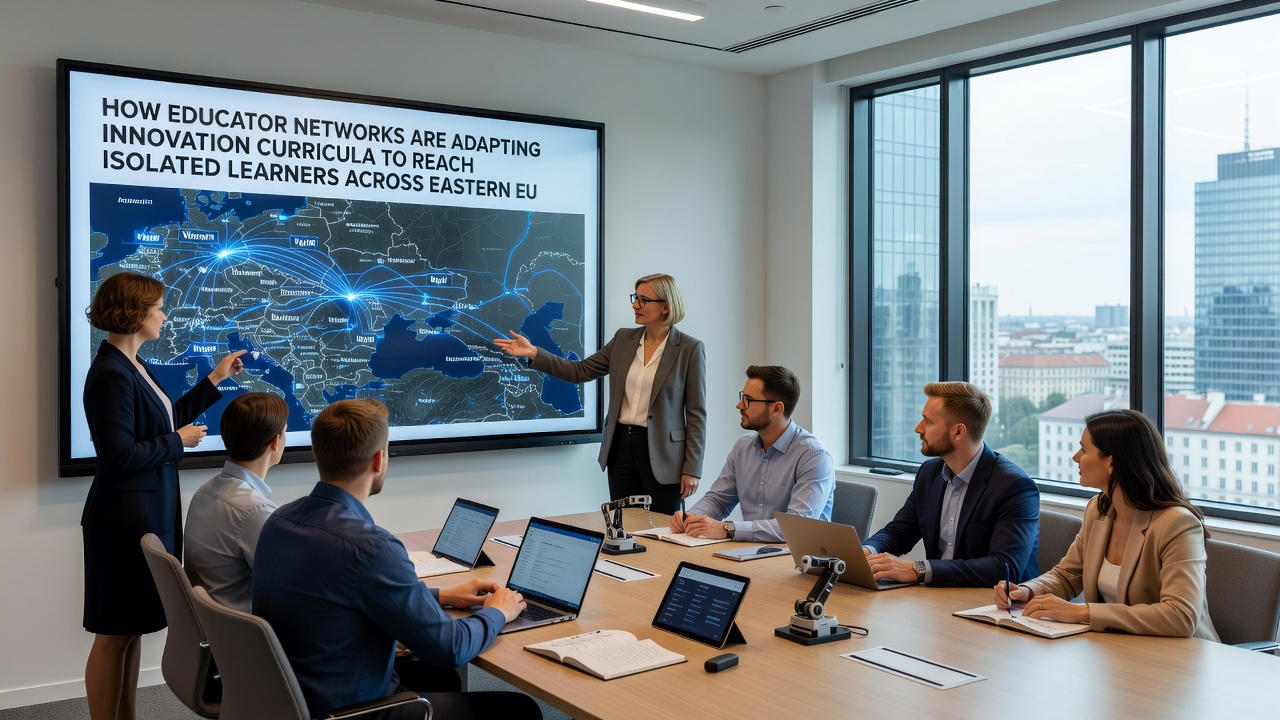
Professional development for educators now emphasizes facilitation skills over subject mastery alone, because many instructors in remote schools juggle multiple subjects and lack specialized training in emerging technologies. Workshops organized by these networks introduce modular lesson templates that teachers can adjust based on available resources, and participants receive ongoing support through regional peer groups that meet both online and during seasonal gatherings.
Measuring Impact and Addressing Persistent Gaps
Evaluation frameworks used by these networks track not only completion rates but also downstream outcomes such as student participation in regional innovation competitions and small business startups launched by graduates. Figures released by the World Bank education division indicate that regions with active educator networks report 22 percent more youth-led ventures in technology-related fields compared with similar areas lacking coordinated support. Yet infrastructure limitations remain a barrier, particularly in mountainous and border zones where electricity reliability and device access fluctuate.
Partnerships with international organizations supply equipment grants and technical assistance, while domestic policy changes in several countries now allocate dedicated funding lines for digital equity programs. Those who've studied these developments point to the importance of sustained coordination among networks rather than one-off projects, because continuity allows curricula to evolve alongside changing labor market demands.
Conclusion
Educator networks continue refining their methods for delivering innovation curricula to isolated learners by combining technology adaptations, localized content, and ongoing teacher support. The September 2026 expansion adds new layers of cross-border collaboration, while evaluation data highlights both progress and remaining challenges tied to infrastructure. These efforts reflect broader patterns of educational adaptation documented across Eastern Europe in recent years.