Klara Friedrich · 6 September 2026
How International Academic Exchanges Are Elevating Sustainable Technology Training Across European Borders
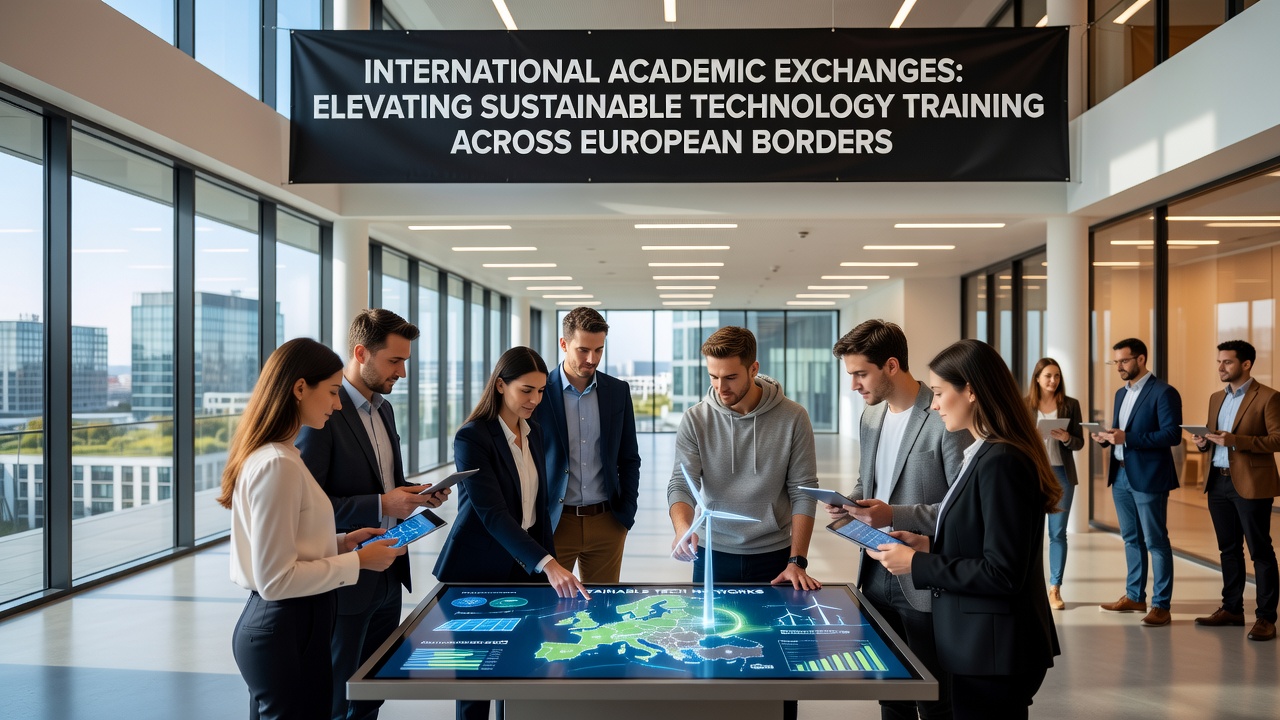
International academic exchanges have expanded sustainable technology training programs throughout Europe in recent years, and data from the European Commission shows participation rates rising steadily since 2022. Universities in Germany, the Netherlands, and Spain coordinate with institutions in Eastern Europe to share curricula focused on renewable energy systems, circular economy practices, and green manufacturing techniques. These partnerships operate under frameworks like the Erasmus+ initiative, which funds student and faculty mobility across member states.
Program Structures and Cross-Border Collaborations
Faculty members design joint courses that combine theoretical instruction with laboratory work at partner campuses, and students complete modules on solar photovoltaic design in one country before moving to another for wind turbine maintenance training. Data indicates that over 8,200 participants engaged in such exchanges during the 2024-2025 academic year, with many programs lasting between three and twelve months. Institutions track outcomes through shared databases that record skill acquisition and project completion rates.
One example involves the Technical University of Munich pairing with Delft University of Technology and Warsaw University of Technology, where teams develop prototypes for energy-efficient building materials. Researchers publish findings in open-access journals, and the collaborations produce measurable reductions in material waste during testing phases. Similar arrangements appear in Nordic-Baltic networks that emphasize hydrogen fuel cell technology and battery recycling processes.
Training Outcomes and Skill Development Data
Surveys conducted by participating universities reveal that exchange participants demonstrate higher proficiency in interdisciplinary problem-solving compared with peers who remain at single institutions. Figures from the 2025 European Higher Education Area report list a 34 percent increase in certified competencies related to sustainable design software and lifecycle assessment tools among mobile students. Programs incorporate industry placements, allowing learners to apply methods at companies operating across borders.
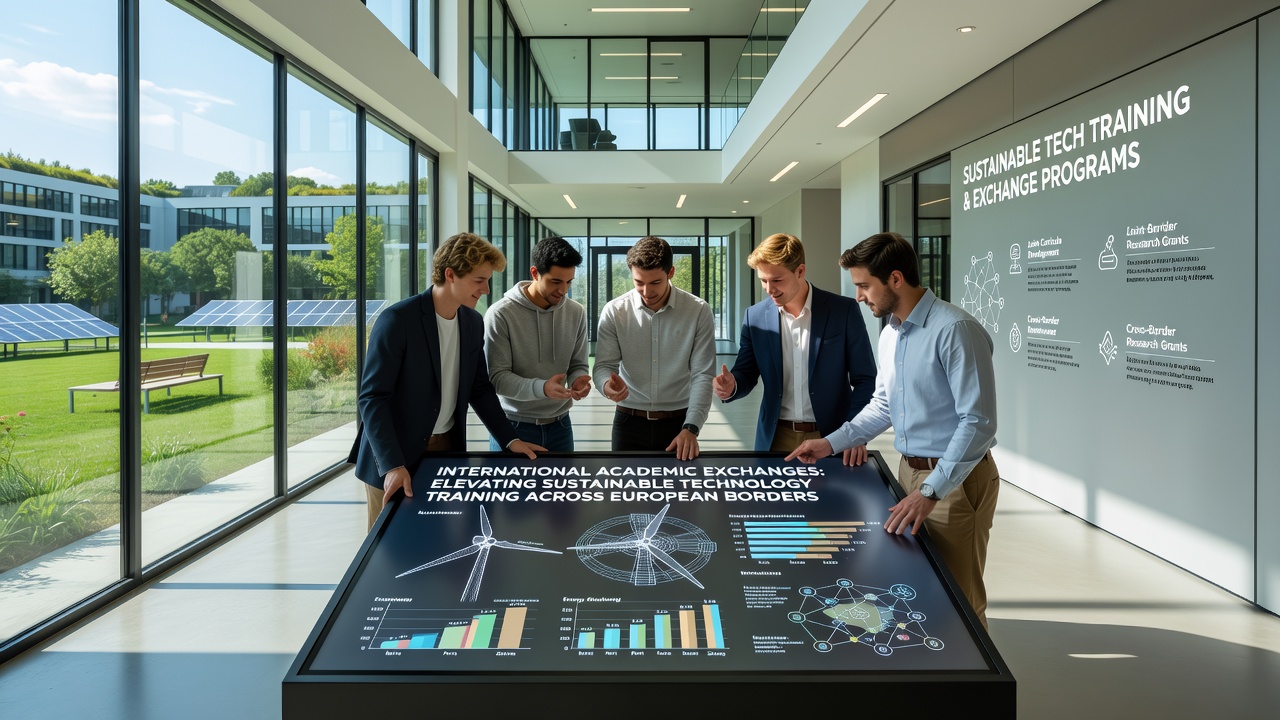
Training modules often include virtual simulations that prepare participants for on-site work, and language support services facilitate communication during placements. Observers note that graduates from these programs secure positions at rates above the average for their fields, with many contributing to projects funded by the European Green Deal. Case records document specific advances, such as improved carbon capture prototypes developed during 2024 exchanges between French and Italian universities.
September 2026 Initiatives and Forward Planning
Planning documents outline new exchange cohorts scheduled to begin in September 2026, and these will incorporate expanded digital twin technologies for modeling urban sustainability scenarios. The European University Association coordinates applications that prioritize regions with emerging renewable infrastructure needs, including parts of Eastern and Southern Europe. Funding allocations from the EU budget support equipment upgrades at host laboratories, ensuring consistent access to testing facilities for incoming students.
Additional partnerships link Scandinavian research centers with Mediterranean institutions to study climate adaptation strategies, and joint degree options allow participants to earn credentials recognized across multiple countries. Reports from the OECD education directorate track these developments and highlight enrollment trends that continue to rise.
Conclusion
International academic exchanges continue to shape sustainable technology education by connecting institutions and learners across European borders, and the documented growth in participation and skill outcomes points to sustained activity through 2026 and beyond. Programs deliver structured opportunities for hands-on experience and collaborative research, while data collection efforts provide ongoing measures of progress in the sector.