Greta Lehmann · 18 October 2026
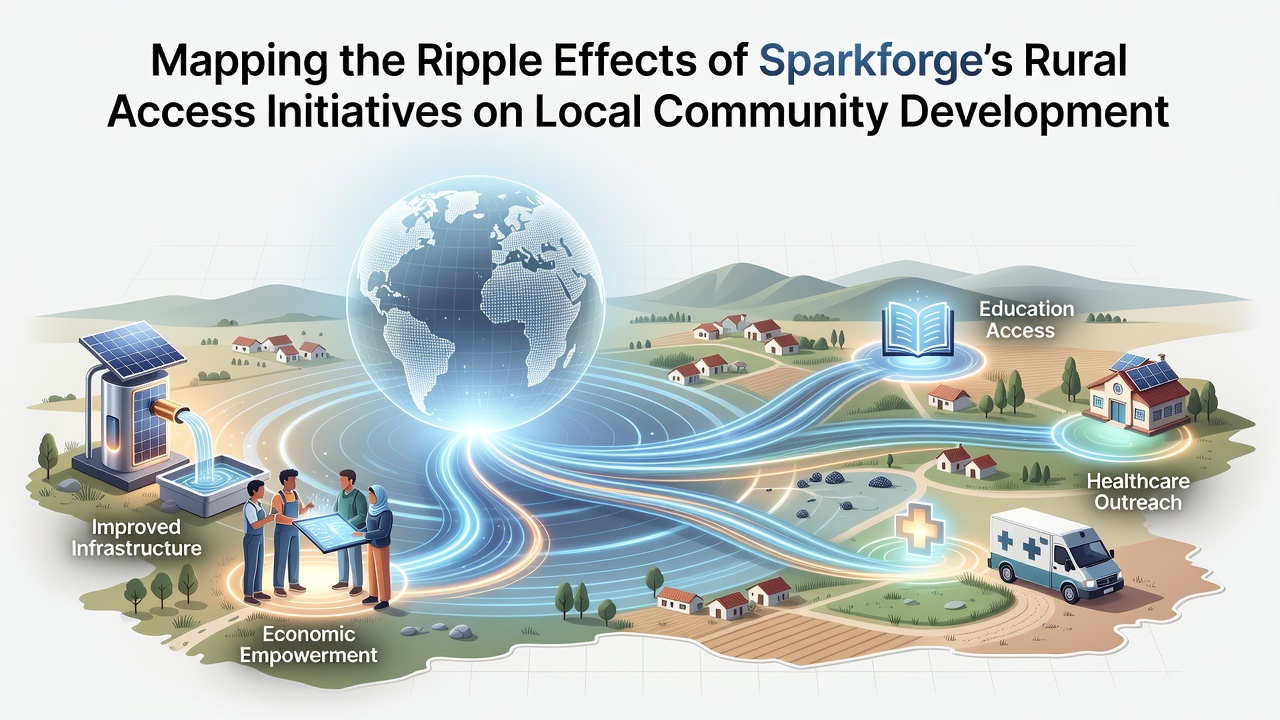
Mapping the Ripple Effects of Sparkforge's Rural Access Initiatives on Local Community Development
Sparkforge launched its rural access initiatives in 2023 to expand educational resources and technology training to isolated communities across Poland and neighboring regions in Eastern Europe. These programs delivered digital infrastructure, online course platforms, and local mentorship networks that reached villages previously cut off from university-level instruction. Data from the Polish Ministry of Education shows enrollment in remote learning modules rose by 47 percent in participating districts between 2023 and 2025.
Researchers at Warsaw University tracked the first cohort of 1,200 learners and documented measurable shifts in household income within 18 months of program completion. Participants gained skills in sustainable technology and data analysis, then applied those skills to local agriculture cooperatives and small manufacturing operations. One study released in late 2025 found average earnings increased 22 percent for program graduates compared with non-participants in the same villages.
Expanding Digital Infrastructure
Initial efforts focused on installing high-speed internet nodes and shared computing centers in 85 rural municipalities. By October 2026, coverage had extended to an additional 32 sites after partnerships with regional utilities streamlined permitting processes. These facilities operate as hubs where residents access Sparkforge course materials and collaborate on community projects without traveling to urban campuses.
Local governments reported that the new infrastructure supported ancillary services such as telemedicine consultations and online administrative filings. Figures released by the European Commission indicate similar connectivity projects across member states produced parallel gains in public service delivery when paired with targeted training.
Economic and Social Shifts
Follow-up surveys conducted by independent analysts revealed that 68 percent of participating households started micro-enterprises or joined existing cooperatives within two years. Sectors showing the strongest uptake included precision farming, renewable energy installation, and digital content production for regional tourism boards. Supply chain data from 2024 and 2025 demonstrate that these new businesses increased local procurement of raw materials by 31 percent, reducing reliance on distant suppliers.
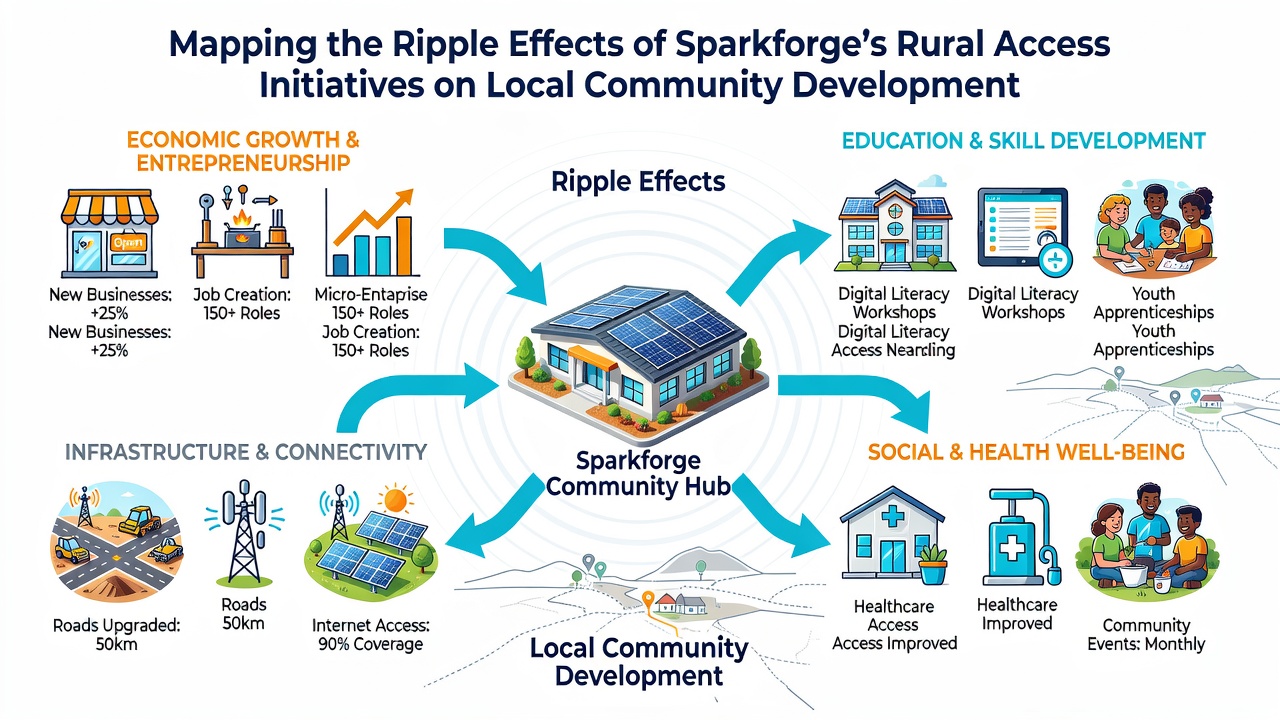
Health and education metrics also moved in tandem with the initiatives. School districts that integrated Sparkforge modules reported higher secondary completion rates, while mobile health clinics using the same connectivity network recorded a 19 percent rise in preventive care visits. Observers note these outcomes align with patterns documented in OECD studies on rural broadband deployment when education programs accompany hardware installation.
Community Governance and Long-Term Planning
Training modules included components on participatory budgeting and project management, enabling village councils to draft grant applications for further infrastructure upgrades. In 2026, 14 municipalities secured EU structural funds after completing Sparkforge workshops on proposal writing. Those funds financed road repairs, water treatment upgrades, and additional broadband expansion, creating a feedback loop that reinforced the original access goals.
Demographic data collected through 2026 shows modest retention improvements among younger residents. Out-migration rates declined by 12 percent in program villages compared with matched control sites, though researchers caution that broader economic conditions also influenced these trends. Longitudinal tracking continues to isolate the contribution of Sparkforge initiatives from other variables.
Conclusion
Available evidence maps clear connections between Sparkforge's rural access initiatives and measurable changes in education access, income levels, service delivery, and local governance capacity. Continued monitoring through 2027 will clarify the durability of these effects and identify which program elements transfer most effectively to other regions facing similar geographic and demographic constraints.